
The best specialized center for rhinoplasty in Oman and Iran.
Start now with the best prices!
Best surgeons in Iran and Oman
Do you need a consultation?
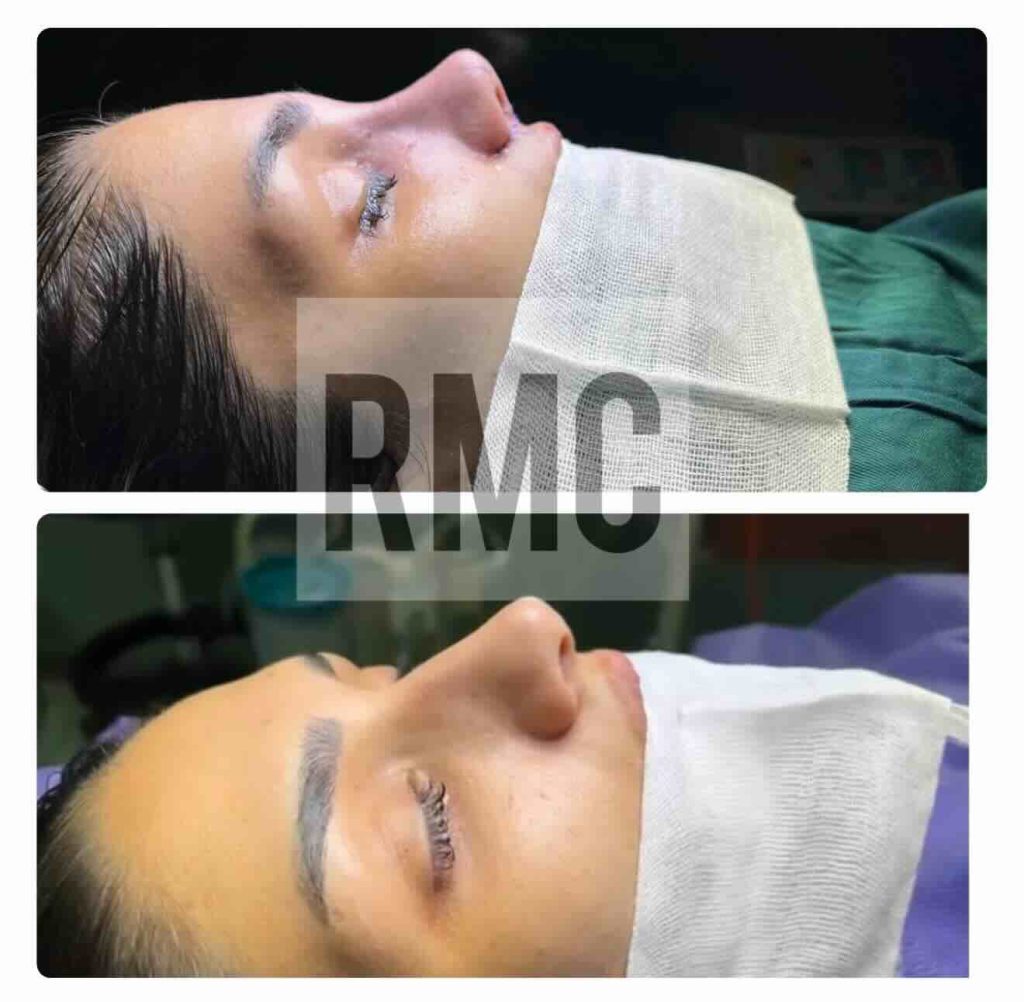
See the results of nose surgeries.
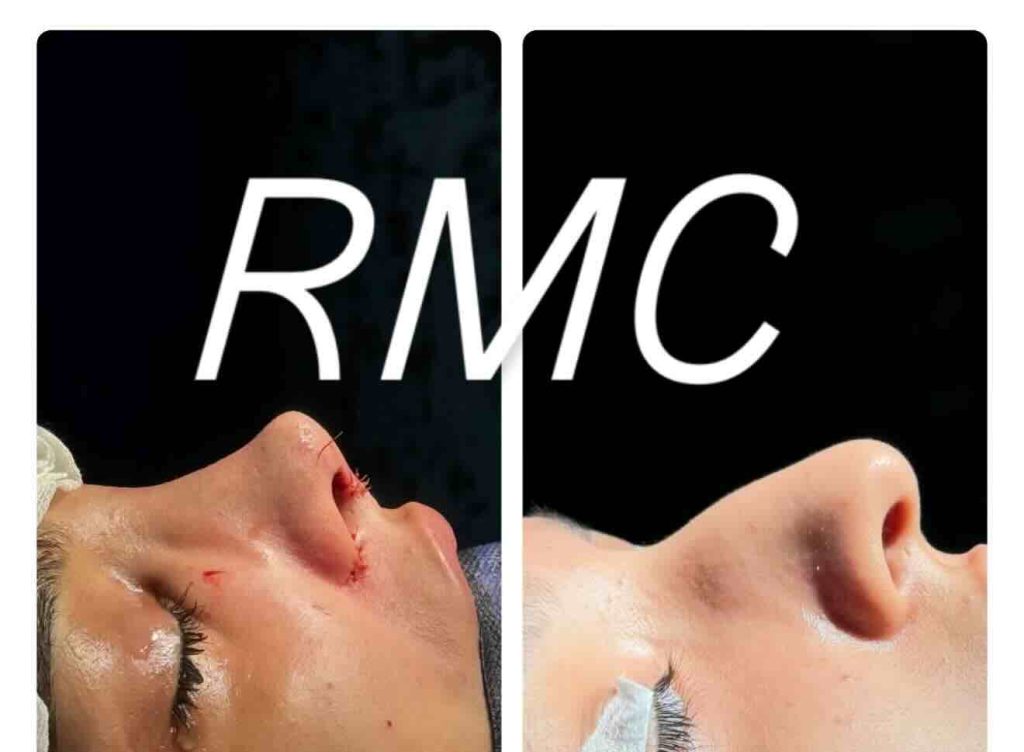
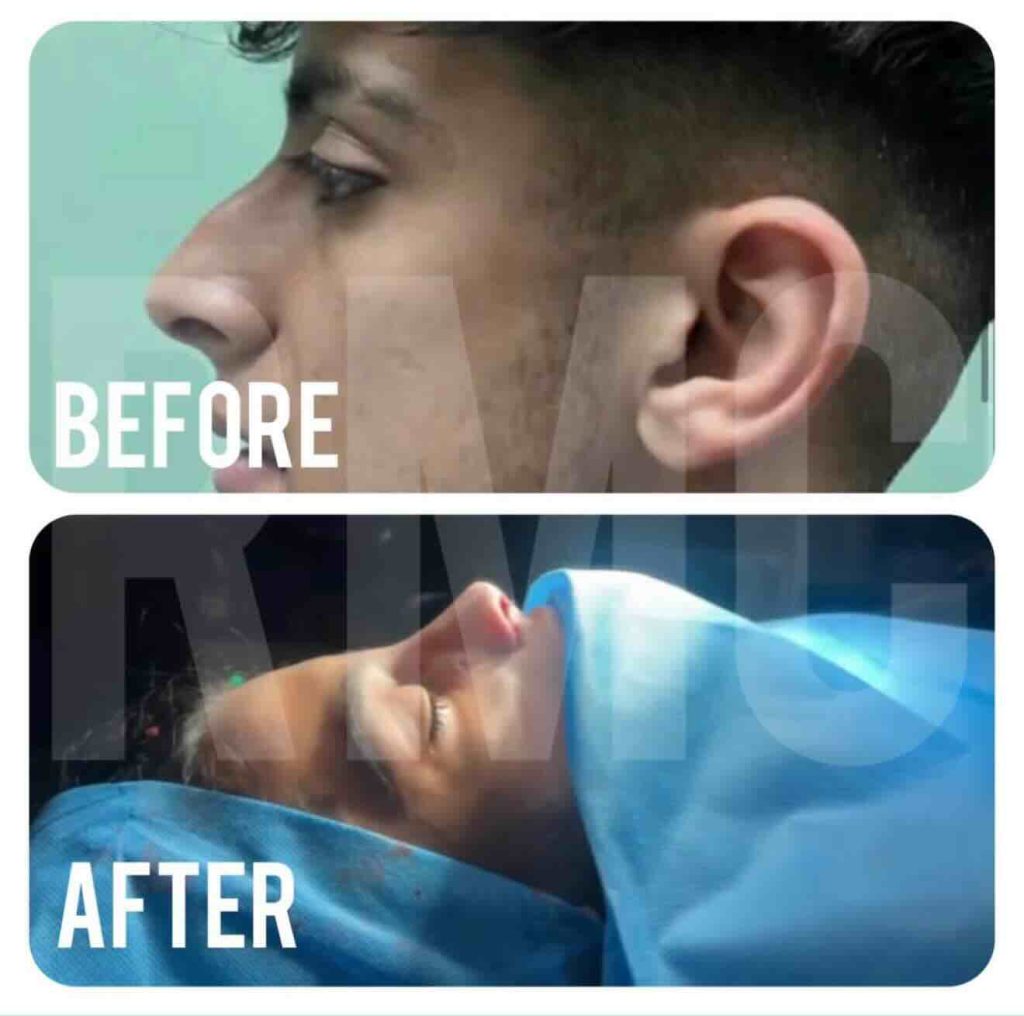
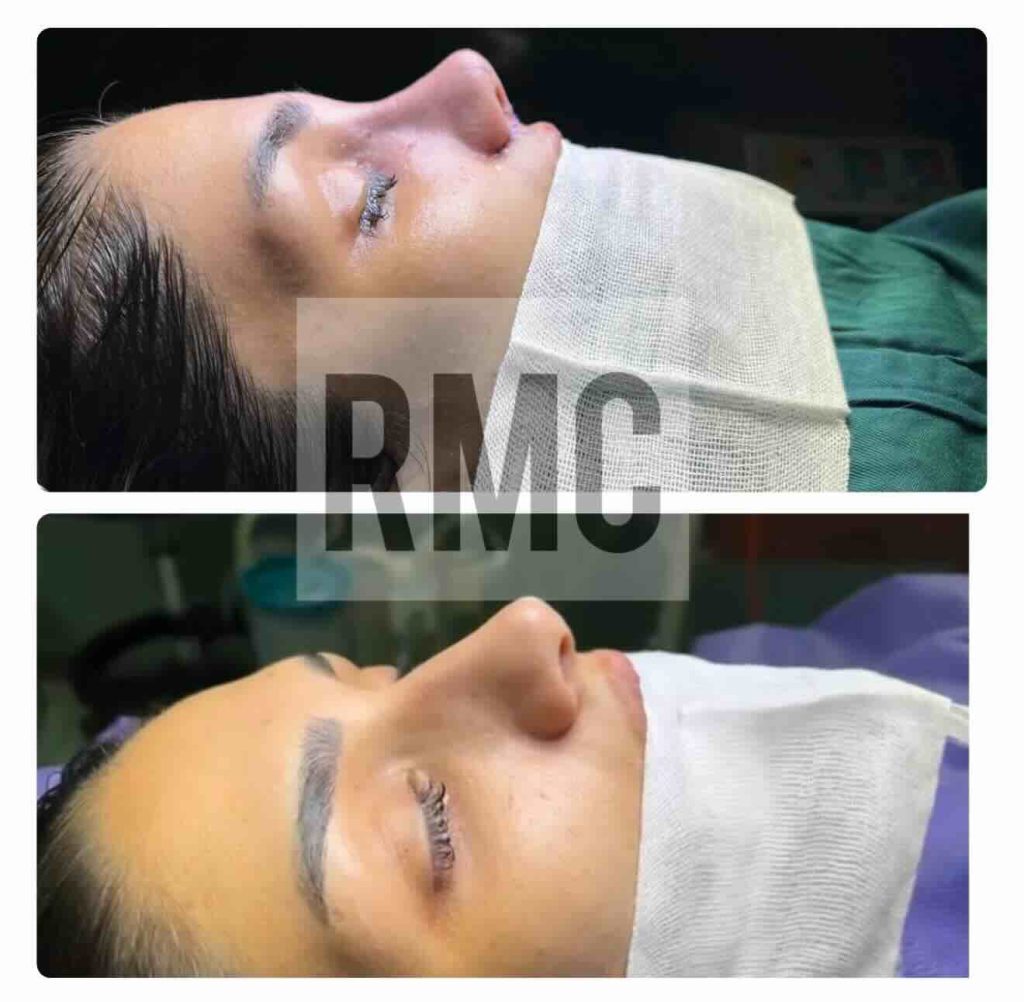
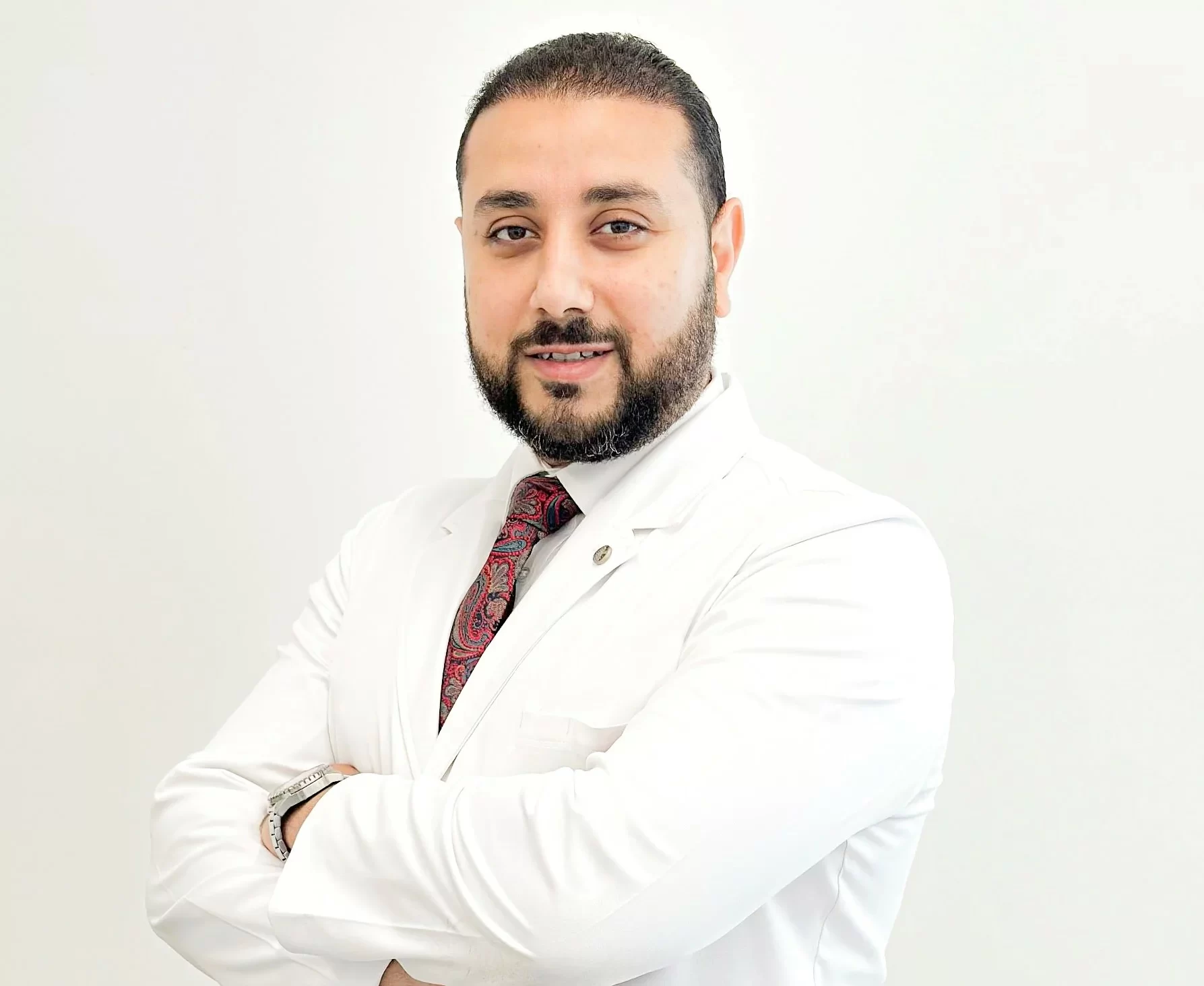
Dr. Ahmed Salah Aljarrah
Dr. Ahmed Salah, a plastic surgeon, has joined Oman International Hospital as a cosmetic surgery specialist.
Dr. Ahmed brings over 15 years of experience in the field of plastic surgery, having practiced in Egypt, Kuwait, and the Sultanate of Oman.
He holds a Doctorate in Plastic Surgery from Cairo University, as well as a Master’s degree in General Surgery from Ain Shams University.
Dr. Ahmed is also a member of the Egyptian Society of Plastic and Reconstructive Surgeons.
Learn about rhinoplasty prices.
Same procedure…
✔️ In Iran: High quality + one-week vacation = 500 OMR
✔️ In Oman: Comfort and privacy = 1500 OMR
Abdullah’s Opinion – Rhinoplasty Experience
I was very satisfied with my rhinoplasty. At first, I contacted them via WhatsApp for a consultation, and I was quite worried about the results.
But after considering the cost, I decided to travel to Iran, where I was able to see the country and have the surgery at the same time.
Alhamdulillah, I’m very happy with the results!
Discover a new world with rhinoplasty.
💠 What is Septoplasty?
To understand the difference between septoplasty and rhinoplasty, we must first define each procedure and its purpose.
Septoplasty is a medical procedure performed to correct a deviated nasal septum — the piece of cartilage that separates the two nostrils and the nasal cavities. The main goal of this surgery is to improve breathing function by opening up the nasal airways, making it easier to breathe.
❗ One of the most common misconceptions among patients considering this procedure is that it changes the shape of the nose.
In reality, septoplasty focuses only on straightening the septum. If the septum is crooked or off-center, it can obstruct airflow and cause breathing difficulties or health issues.
💠 What is Rhinoplasty?
Rhinoplasty is a cosmetic surgical procedure aimed at improving the shape and appearance of the nose.
Because it is aesthetic in nature, it can be used to reduce the prominence of the nose on the face, reshape the nostrils, refine the nasal tip, or make the nose smaller and more proportionate to the facial features.
✅ The main goal of rhinoplasty is to enhance the external appearance of the nose by modifying its shape or size.
In some cases, it may also help improve breathing, but this is typically a secondary or tertiary priority in cosmetic procedures.
🩺 Types of Rhinoplasty Procedures
🔹 Open Rhinoplasty
In this technique, the surgeon makes external incisions on the columella (the tissue between the nostrils), allowing the skin to be lifted entirely off the nasal structure. This provides full access to the internal anatomy for precise modifications.
🔹 Closed Rhinoplasty
In closed rhinoplasty, all incisions are made inside the nostrils, meaning no visible external scars. This approach results in less skin trauma, reduced inflammation, and a faster recovery time.
🔸 The surgeon chooses the most suitable technique based on the patient’s condition, nasal anatomy, and the desired outcome.
💡 Who is Open Rhinoplasty Suitable For?
Open rhinoplasty is ideal for individuals who have:
Complex structural deformities
Functional issues such as a deviated septum or noticeable asymmetry
A desire for precise reshaping of the nasal tip (its shape, projection, or direction)
A need for revision rhinoplasty to correct the outcome of a previous surgery
✅ What Problems Can Rhinoplasty Address?
Rhinoplasty can correct a variety of cosmetic and functional issues, including:
Nasal hump (a visible bump on the nasal bridge)
Wide or narrow nasal bridge
Modifying the shape of the nasal tip
Size and shape of the nostrils
Nasal deviation or crookedness
Breathing difficulties caused by septal deviation, enlarged turbinates, or nasal valve collapse
Post-traumatic deformities
Congenital conditions such as cleft lip or asymmetry due to genetic factors
🩹 Post-Rhinoplasty Care: Essential Tips
Even with the best surgeon, not following post-operative care instructions can negatively affect your results. Key aftercare guidelines include:
Take medications exactly as prescribed
Keep your head elevated while sleeping
Get plenty of rest in the first few days
Use cold compresses (only as directed by your surgeon)
Follow a soft, easy-to-chew diet
Brush your teeth gently
Avoid excessive laughing or crying
Be cautious when sneezing or coughing
Avoid wearing glasses during the first few weeks
Do not blow your nose
Consult your doctor before taking a shower